I help companies find their voice — through their customers, their community, their events, and their own people.
I've spent my career in B2B tech marketing — security, developer tools, data infrastructure — and across every role, the work that moved the needle came back to the same four things. Not channels. Not tactics. These are the disciplines I've built real programs around, with real outcomes.
Turning technical wins into stories prospects actually feel.

Every company has customers doing impressive things with their product. Most companies waste those stories — burying them in jargon, skipping the human stakes, or producing a PDF that reads like a spec sheet nobody asked for.
I do this differently. I start with the customer's problem as they'd describe it to a colleague — not as marketing would package it. I find the moment the product actually changed their workflow, and I build the narrative around that turning point. The metrics matter, but they land harder when the reader already cares about the person behind them.
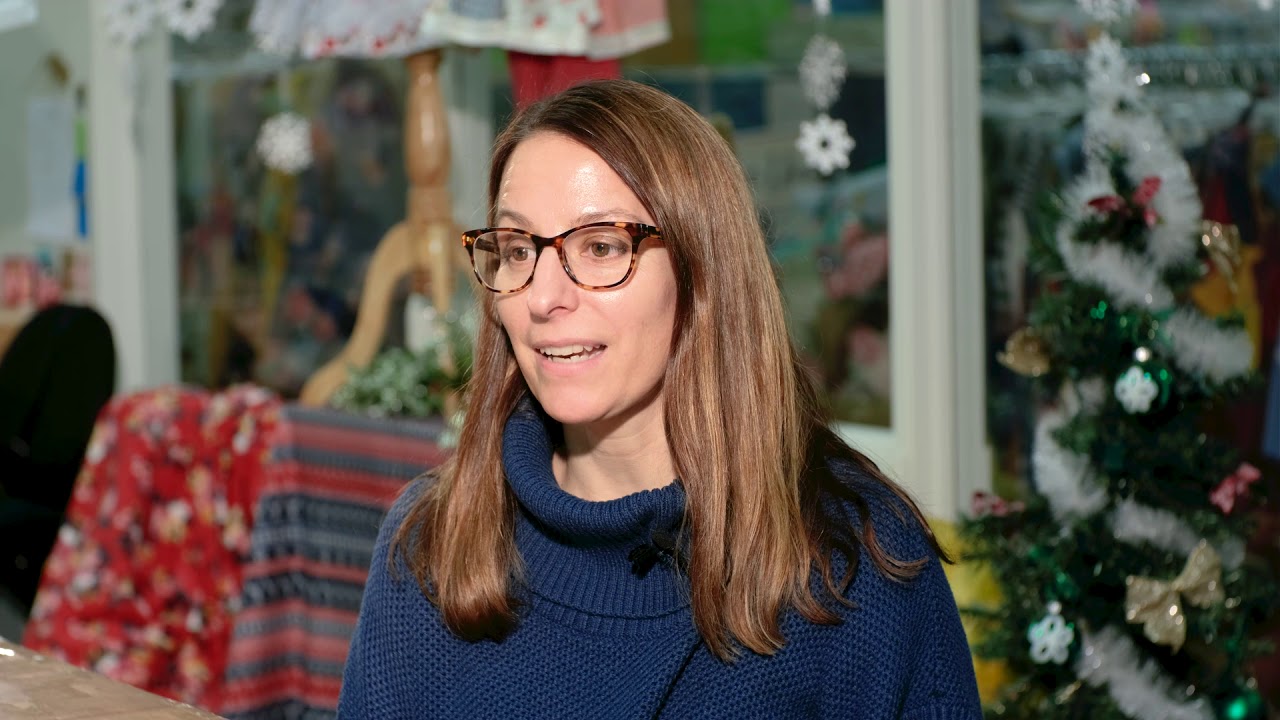
I've done this across security, developer tools, and data — in written case studies, on-camera interviews, and webinar formats. The throughline is the same: find the real story, tell it simply, and make it easy for a prospect to see themselves in it.

Programming experiences people actually show up for.
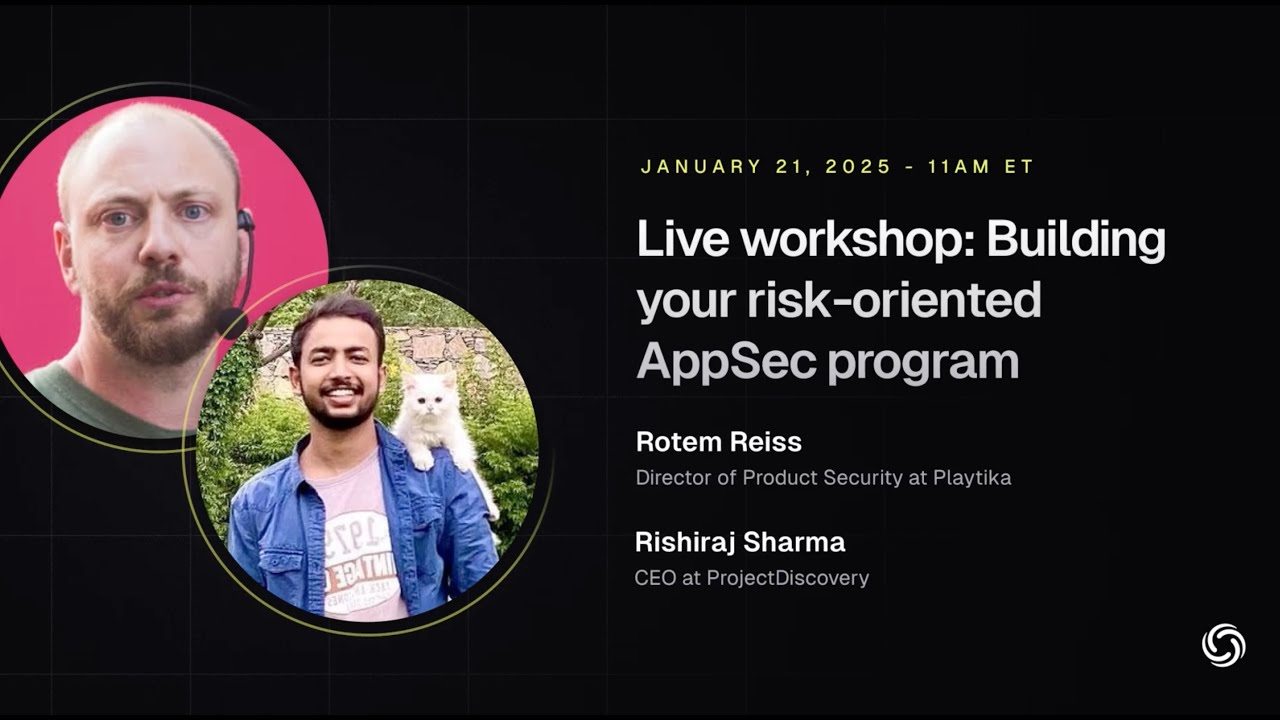
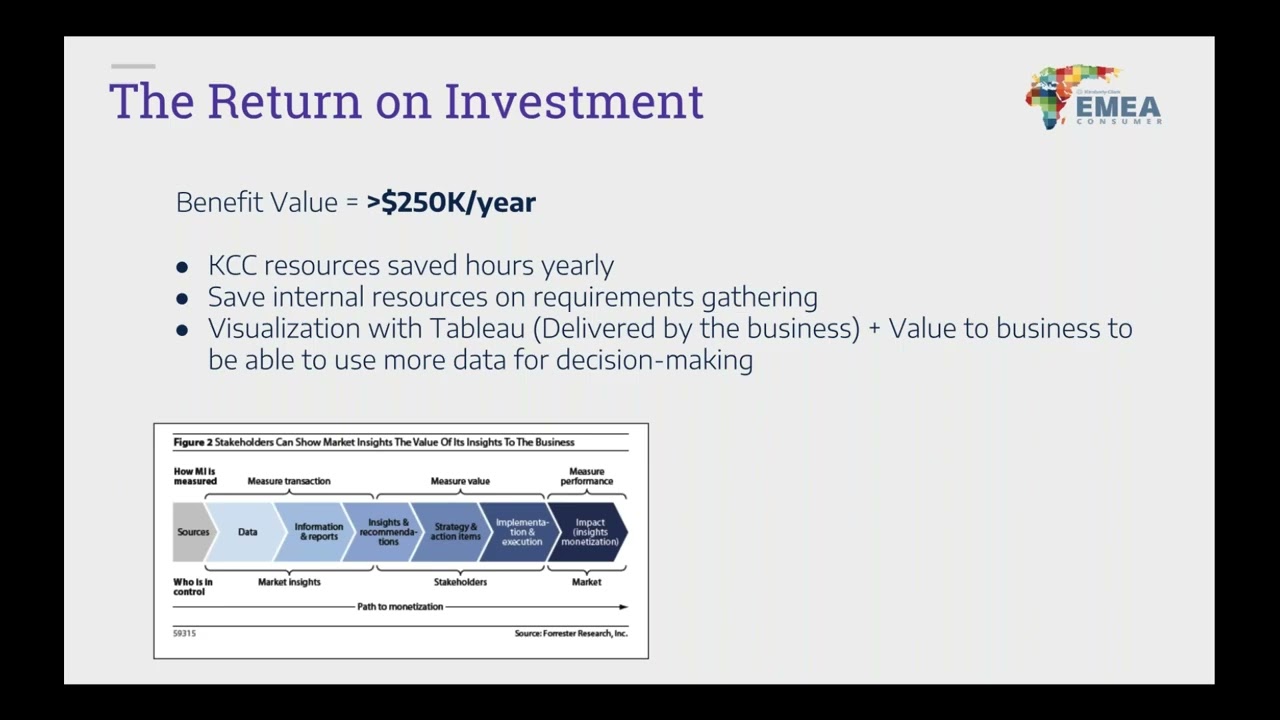
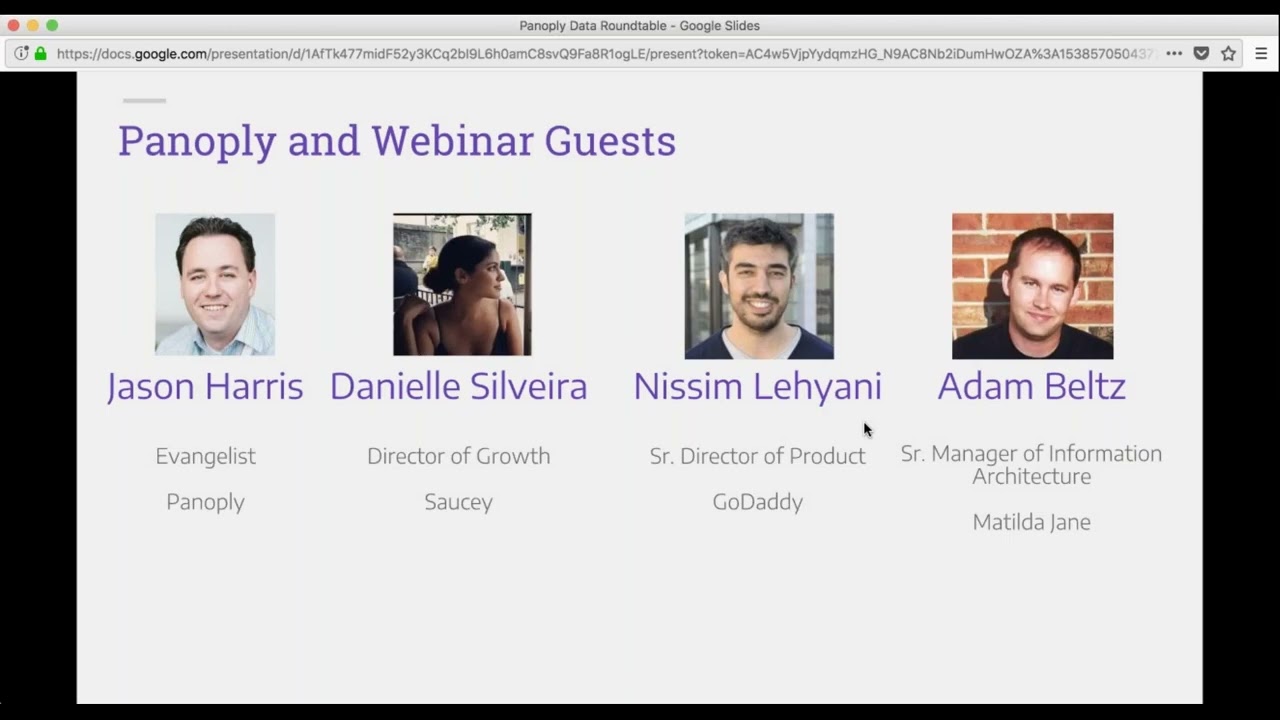
Most B2B webinars are thinly disguised demos. Everyone knows it, and that's why registration-to-attendance rates are in the gutter. I approach online events like editorial programming — the audience has to walk away having learned something they couldn't have gotten from a blog post.
That means I focus on format design as much as content. A live workshop where attendees build something in real time is a fundamentally different experience than a panel where four people agree with each other for 45 minutes. I pick the right format for the goal, script the critical beats without over-scripting the energy, and handle production so the speaker can focus on being good.
I've hosted and produced events across security, data, and developer tools — from technical deep-dives with industry practitioners to creative community challenges that brought in audiences who'd never attended a traditional webinar.
Designing systems that get developers to build alongside you.
Developer community isn't a Slack channel and a swag closet. The programs that actually work are the ones where contribution has a clear path, recognition is genuine, and the community creates value that feeds back into the product.
At 1Password, I ran a hackathon with Hashnode that generated real integrations — not just demos that get abandoned after judging. I drove the shell plugins program from launch to 42 plugins, with over half built by the community. The GitHub Student Developer Pack partnership put developer tools in the hands of students before they'd ever used a credential manager in production. Each of these was designed with a specific participation loop in mind.
At ProjectDiscovery, I launched Pioneers — an ambassador program for security researchers who were already active contributors. The goal wasn't to create advocates from scratch. It was to recognize the people who were already showing up and give them a reason to keep going.
Turning your own people into the most credible voices in the room.
The most underused marketing channel at most B2B companies is the people who already work there. Engineers, security practitioners, customer success leads — they have credibility that no brand account can replicate. But left on their own, most of them won't post, won't speak, and won't put themselves out there. Not because they don't want to — because nobody's built the system to make it easy.
At Huntress, I built that system. I scaled the employee advocacy program from roughly 50 participants to over 280 — not by mandating participation, but by making it low-friction and high-reward. I ran speaking training for security practitioners, developed LinkedIn strategies tailored to how defenders actually communicate, and built content workflows that met people where they were.
I wrote the playbooks that made the effort worth the work. Practical guides that laid out the strategy, gave engineers a clear starting point, and showed them why AEO and social answering were worth their time. Once they saw the vision, they joined in and started contributing actively.
Let's talk about what you're building.
If any of this sounds like what your team needs, I'd love to hear from you.
Get in Touch